Skip to content

Wood Species Library

Every BoardHas a Character.

Species differ in hardness, movement, grain, machining and finishing. Nineteen woodworking species, each catalogued with its measured properties and the notes that matter at the bench.

Specimens
19
Groups
3
Data
USDA-based

Species Index

The Cabinet, Catalogued.

Nineteen specimens in three drawers. Each label opens its full reference sheet further down the page.

How to Read a Species

Read More Than the Colour.

The end grain tells you more than the face. Look at the rings, the pores and where heartwood meets sapwood.

Plate R-1 · A specimen block

  1. 01Growth rings
  2. 02Earlywood
  3. 03Latewood
  4. 04Pores
  5. 05Heartwood
  6. 06Sapwood
  7. 07Face grain
  8. 08End grain

Earlywood grows fast in spring and is lighter and more open; latewood forms later in the season and is denser. In ring-porous woods such as oak and ash the pores cluster in the earlywood.

Hardness
Resistance to denting, measured by the Janka test. Not a complete measure of strength.
Movement
How much the wood changes size as its moisture content changes — more across the rings than along them.
Grain
The direction and pattern of the fibres. It shapes the look, tear-out when planing and how a finish reads.
Density
Weight for a given volume, given here as specific gravity. It affects machining, fastening and the weight of the piece.
Workability
How the wood saws, planes, routes and sands with sharp tools.
Finishing
How evenly it takes oil, stain and film finishes — and whether open pores or blotching need planning for.

Species Comparison

Nineteen specimens, one table.

Measured values side by side. A dash means we have not published a figure we could not confirm.

Janka side hardness (lbf) and specific gravity at 12% moisture content; shrinkage green to oven-dry as % of green dimension. Source: USDA Forest Products Laboratory, Wood Handbook (averages); sapele from commonly published values. Individual boards vary.
SpeciesTypeJanka (lbf)Specific gravityRadial %Tangential %GrainColourWorkability
Black WalnutJuglans nigraHardwood1,0100.555.57.8Usually straight, sometimes wavy or curlyChocolate to purple-brown heartwood; pale sapwoodWorks and carves easily
White OakQuercus albaHardwood1,3600.685.610.5Straight; ray fleck on quartersawn facesLight to medium brownWorks well; heavy and hard on edges
Red OakQuercus rubraHardwood1,2900.634.08.6Straight, bold cathedral figure when flatsawnLight brown with a reddish or pink castWorks well
Hard MapleAcer saccharumHardwood1,4500.634.89.9Straight; occasionally curly or birdseyeCreamy white sapwood; heartwood darkerHard; demanding on tools
Soft MapleAcer rubrumHardwood9500.544.08.2Straight; sometimes curlyPale cream to light brown; occasional grey streaksEasier to work than hard maple
Black CherryPrunus serotinaHardwood9500.503.77.1StraightPinkish-brown, darkening markedly with lightWorks easily
White AshFraxinus americanaHardwood1,3200.604.97.8Straight, boldLight, creamy to pale brownWorks well
HickoryCarya ovataHardwood1,8200.727.010.5Straight, sometimes wavyPale sapwood, brown heartwood — often in the same boardDifficult; very hard and tough
American BeechFagus grandifoliaHardwood1,3000.645.511.9Straight; flecks on quartersawn facesPale cream to light reddish-brownWorks well
Yellow BirchBetula alleghaniensisHardwood1,2600.627.39.5Straight or wavy; sometimes curlyCream sapwood; light reddish-brown heartwoodWorks well
PoplarLiriodendron tulipiferaHardwood5400.424.68.2StraightCream sapwood; greenish heartwood, sometimes purple streaksVery easy to work
Eastern White PinePinus strobusSoftwood3800.352.16.1StraightPale cream to light brown; knots commonVery easy to work
Douglas FirPseudotsuga menziesii (coast)Softwood7100.484.87.6Straight; strong contrast between earlywood and latewoodLight orange to reddish-brownWorks well
Western Red CedarThuja plicataSoftwood3500.322.45.0StraightReddish to pinkish-brown heartwood, weathering to silver-greyVery easy to work
CypressTaxodium distichumSoftwood5100.463.86.2StraightLight yellowish to medium brownWorks easily
SapeleEntandrophragma cylindricumImported hardwood1,410—4.67.4Interlocked; ribbon figure when quartersawnReddish-brownWorks well, with care on interlocked grain
Genuine MahoganySwietenia macrophyllaImported hardwood800—3.04.1Straight to interlockedReddish-brown, darkening with ageWorks and carves beautifully
TeakTectona grandisImported hardwood——2.55.8Straight, sometimes wavyGolden to medium brown, weathering to silver-grey outdoorsWorks well, but hard on edges
IrokoMilicia excelsaImported hardwood————InterlockedYellowish, darkening to golden or medium brownModerate; interlocked grain

Species Library

The specimen sheets.

One sheet per species: measured properties, how it behaves at the bench, what it is used for and what to watch for.

Drawer I

Domestic Hardwoods

SPECIMEN S-01

Black Walnut

Juglans nigra

Hardness
1,010 lbf
Specific gravity
0.55
Shrinkage R / T
5.5 / 7.8 %
Texture
Medium, fairly open
Grain
Usually straight, sometimes wavy or curly
Colour
Chocolate to purple-brown heartwood; pale sapwood
Hand tools
Planes and pares cleanly with sharp edges
Machines
Machines well; figure needs light cuts
Gluing
Glues well
Finishing
Oil deepens the colour; open pores show through thin films

Used forFine furniture, tabletops, gunstocks, turnings

Watch forPale sapwood contrasts strongly; figured grain can tear out

SPECIMEN S-02

White Oak

Quercus alba

Hardness
1,360 lbf
Specific gravity
0.68
Shrinkage R / T
5.6 / 10.5 %
Texture
Coarse; pores plugged by tyloses
Grain
Straight; ray fleck on quartersawn faces
Colour
Light to medium brown
Hand tools
Rewarding with sharp tools; end grain is tough
Machines
Machines well; keep cutters sharp
Gluing
Glues well
Finishing
Stains evenly; pores show unless filled

Used forFurniture, flooring, cooperage, exterior and boat work

Watch forTannins turn black on contact with iron and steel wool

SPECIMEN S-03

Red Oak

Quercus rubra

Hardness
1,290 lbf
Specific gravity
0.63
Shrinkage R / T
4.0 / 8.6 %
Texture
Coarse, open pores
Grain
Straight, bold cathedral figure when flatsawn
Colour
Light brown with a reddish or pink cast
Hand tools
Planes well; open pores can crumble on end grain
Machines
Machines well
Gluing
Glues well
Finishing
Takes stain readily; pores show clearly

Used forFurniture, flooring, cabinets, millwork

Watch forOpen pores wick water — not suited to outdoor or wet use

SPECIMEN S-04

Hard Maple

Acer saccharum

Hardness
1,450 lbf
Specific gravity
0.63
Shrinkage R / T
4.8 / 9.9 %
Texture
Fine, even
Grain
Straight; occasionally curly or birdseye
Colour
Creamy white sapwood; heartwood darker
Hand tools
Planes well when sharp; figure tears out
Machines
Burns easily with dull cutters or slow feed
Gluing
Glues well
Finishing
Can blotch with stain; clear finishes suit it

Used forWorkbenches, cutting boards, flooring, sports equipment

Watch forBlotching under stain; burn marks; figured grain tear-out

SPECIMEN S-05

Soft Maple

Acer rubrum

Hardness
950 lbf
Specific gravity
0.54
Shrinkage R / T
4.0 / 8.2 %
Texture
Fine, even
Grain
Straight; sometimes curly
Colour
Pale cream to light brown; occasional grey streaks
Hand tools
Planes cleanly
Machines
Machines well
Gluing
Glues well
Finishing
Blotches under stain; takes paint well

Used forPainted furniture, cabinets, drawer parts

Watch forStain blotching; softer surface than hard maple

SPECIMEN S-06

Black Cherry

Prunus serotina

Hardness
950 lbf
Specific gravity
0.50
Shrinkage R / T
3.7 / 7.1 %
Texture
Fine, smooth
Grain
Straight
Colour
Pinkish-brown, darkening markedly with light
Hand tools
A pleasure with hand tools
Machines
Machines well; burns on a slow feed
Gluing
Glues well
Finishing
Can blotch with stain; often left to darken naturally

Used forFurniture, cabinets, casework

Watch forBurn marks, stain blotching, small gum pockets, pale sapwood

SPECIMEN S-07

White Ash

Fraxinus americana

Hardness
1,320 lbf
Specific gravity
0.60
Shrinkage R / T
4.9 / 7.8 %
Texture
Coarse, open
Grain
Straight, bold
Colour
Light, creamy to pale brown
Hand tools
Planes and splits cleanly along the grain
Machines
Machines well
Gluing
Glues well
Finishing
Stains evenly; pores show through thin finishes

Used forTool handles, chairs, bent parts, sports equipment

Watch forOpen pores need filling for a glassy finish

SPECIMEN S-08

Hickory

Carya ovata

Hardness
1,820 lbf
Specific gravity
0.72
Shrinkage R / T
7.0 / 10.5 %
Texture
Medium to coarse
Grain
Straight, sometimes wavy
Colour
Pale sapwood, brown heartwood — often in the same board
Hand tools
Hard going; blunts edges quickly
Machines
Dulls cutters; prone to tear-out
Gluing
Glues satisfactorily with close-fitting joints
Finishing
Finishes well

Used forTool handles, flooring, cabinets, bent furniture

Watch forLarge movement; hard on tools; not durable outdoors

SPECIMEN S-09

American Beech

Fagus grandifolia

Hardness
1,300 lbf
Specific gravity
0.64
Shrinkage R / T
5.5 / 11.9 %
Texture
Fine, even
Grain
Straight; flecks on quartersawn faces
Colour
Pale cream to light reddish-brown
Hand tools
Planes to a smooth surface
Machines
Machines well; can burn
Gluing
Glues well
Finishing
Finishes well; takes stain evenly

Used forChairs, bent parts, workbenches, tool bodies, turnings

Watch forLarge movement with moisture changes; not durable outdoors

SPECIMEN S-10

Yellow Birch

Betula alleghaniensis

Hardness
1,260 lbf
Specific gravity
0.62
Shrinkage R / T
7.3 / 9.5 %
Texture
Fine, even
Grain
Straight or wavy; sometimes curly
Colour
Cream sapwood; light reddish-brown heartwood
Hand tools
Planes well on straight grain
Machines
Machines well; figure tears out
Gluing
Glues well
Finishing
Can blotch with stain

Used forCabinets, furniture, plywood faces, dowels

Watch forStain blotching; curly grain tear-out

SPECIMEN S-11

Poplar

Liriodendron tulipifera

Hardness
540 lbf
Specific gravity
0.42
Shrinkage R / T
4.6 / 8.2 %
Texture
Fine to medium, even
Grain
Straight
Colour
Cream sapwood; greenish heartwood, sometimes purple streaks
Hand tools
Easy; leaves a fuzzy surface if tools are dull
Machines
Machines well
Gluing
Glues well
Finishing
Takes paint very well; blotches under stain

Used forPainted furniture, drawer sides, secondary wood, mouldings

Watch forDents easily; colour streaks; not durable outdoors

Drawer II

Softwoods

SPECIMEN S-12

Eastern White Pine

Pinus strobus

Hardness
380 lbf
Specific gravity
0.35
Shrinkage R / T
2.1 / 6.1 %
Texture
Medium, even
Grain
Straight
Colour
Pale cream to light brown; knots common
Hand tools
Cuts easily; needs very sharp tools to avoid crushing
Machines
Machines well
Gluing
Glues well
Finishing
Blotches under stain; takes paint well

Used forPaint-grade furniture, trim, carving, patterns

Watch forDents readily; seal knots before painting

SPECIMEN S-13

Douglas Fir

Pseudotsuga menziesii (coast)

Hardness
710 lbf
Specific gravity
0.48
Shrinkage R / T
4.8 / 7.6 %
Texture
Medium to coarse
Grain
Straight; strong contrast between earlywood and latewood
Colour
Light orange to reddish-brown
Hand tools
Hard latewood and soft earlywood can make planing uneven
Machines
Machines well; splinters at exits
Gluing
Glues well
Finishing
Uneven stain uptake between earlywood and latewood

Used forConstruction, benches, doors, window frames

Watch forSplinters; sanding can leave a washboard surface

SPECIMEN S-14

Western Red Cedar

Thuja plicata

Hardness
350 lbf
Specific gravity
0.32
Shrinkage R / T
2.4 / 5.0 %
Texture
Medium to coarse
Grain
Straight
Colour
Reddish to pinkish-brown heartwood, weathering to silver-grey
Hand tools
Easy, but crushes and splinters with dull tools
Machines
Machines easily
Gluing
Glues well
Finishing
Often left to weather; tannins can bleed through light finishes

Used forOutdoor furniture, siding, boxes, boat building

Watch forSoft and dents easily; its dust is a known respiratory irritant

SPECIMEN S-15

Cypress

Taxodium distichum

Hardness
510 lbf
Specific gravity
0.46
Shrinkage R / T
3.8 / 6.2 %
Texture
Medium
Grain
Straight
Colour
Light yellowish to medium brown
Hand tools
Planes well
Machines
Machines well
Gluing
Glues well
Finishing
Finishes well

Used forOutdoor furniture, siding, boats, planters

Watch forDecay resistance varies; old-growth heartwood is more durable than second growth

Drawer III

Imported & Tropical

SPECIMEN S-16

Sapele

Entandrophragma cylindricum

Hardness
1,410 lbf
Specific gravity
—
Shrinkage R / T
4.6 / 7.4 %
Texture
Fine to medium
Grain
Interlocked; ribbon figure when quartersawn
Colour
Reddish-brown
Hand tools
Tears out when planed; use a high angle or a scraper
Machines
Machines well; watch the grain direction
Gluing
Glues well
Finishing
Finishes well; ribbon figure shifts in the light

Used forFurniture, doors, veneer, instrument parts

Watch forInterlocked grain tear-out

SPECIMEN S-17

Genuine Mahogany

Swietenia macrophylla

Hardness
800 lbf
Specific gravity
—
Shrinkage R / T
3.0 / 4.1 %
Texture
Medium, open pores
Grain
Straight to interlocked
Colour
Reddish-brown, darkening with age
Hand tools
Planes, carves and pares cleanly
Machines
Machines well
Gluing
Glues well
Finishing
Finishes very well; pores fill for a glassy surface

Used forFine furniture, carving, boat building, instruments

Watch forTrade is regulated under CITES — buy from a documented, legal source

SPECIMEN S-18

Teak

Tectona grandis

Hardness
—
Specific gravity
—
Shrinkage R / T
2.5 / 5.8 %
Texture
Coarse, oily feel
Grain
Straight, sometimes wavy
Colour
Golden to medium brown, weathering to silver-grey outdoors
Hand tools
Planes well; silica dulls edges quickly
Machines
Carbide tooling recommended
Gluing
Natural oils can weaken bonds — wipe surfaces with solvent first
Finishing
Often oiled or left to weather

Used forOutdoor furniture, boat decks and trim

Watch forSilica dulls tools; oils affect glue; check legal sourcing

SPECIMEN S-19

Iroko

Milicia excelsa

Hardness
—
Specific gravity
—
Shrinkage R / T
—
Texture
Medium to coarse
Grain
Interlocked
Colour
Yellowish, darkening to golden or medium brown
Hand tools
Tears out on interlocked grain
Machines
Hard mineral deposits can damage cutters
Gluing
Glues well
Finishing
Finishes well once pores are filled

Used forOutdoor furniture, boat building, joinery

Watch forMineral deposits in the wood; dust can irritate

Hardness

Hardness Is One Property, Not the Whole Story.

Species are listed in library order, not by rank. Bars are drawn to scale on a 0–2,000 lbf axis.

  • Black Walnut1,010 lbf
  • White Oak1,360 lbf
  • Red Oak1,290 lbf
  • Hard Maple1,450 lbf
  • Soft Maple950 lbf
  • Black Cherry950 lbf
  • White Ash1,320 lbf
  • Hickory1,820 lbf
  • American Beech1,300 lbf
  • Yellow Birch1,260 lbf
  • Poplar540 lbf
  • Eastern White Pine380 lbf
  • Douglas Fir710 lbf
  • Western Red Cedar350 lbf
  • Cypress510 lbf
  • Sapele1,410 lbf
  • Genuine Mahogany800 lbf

Not charted: Teak and Iroko — we have not published a Janka figure for them. Values: USDA Wood Handbook averages; sapele from commonly published figures.

  • What it measuresThe force needed to press a 0.444″ steel ball halfway into the wood — resistance to denting and wear.
  • Higher is not betterHarder woods resist dents, but tend to be heavier and wear edges faster.
  • Softer can be rightPine, cedar and poplar are easy to work and entirely appropriate for many projects.

Movement · Species Compared

Two Numbers for Every Board.

Total shrinkage from green to oven-dry, across the rings (radial) and along them (tangential). The bigger the tangential figure, the more a flatsawn board moves in width.

Shrinkage green to oven-dry, % of green dimension. USDA Wood Handbook averages. Bars to scale (0–12%).
SpeciesRadial · Tangential
Black WalnutR5.5%T7.8%
White OakR5.6%T10.5%
Red OakR4.0%T8.6%
Hard MapleR4.8%T9.9%
Black CherryR3.7%T7.1%
American BeechR5.5%T11.9%
Eastern White PineR2.1%T6.1%
Genuine MahoganyR3.0%T4.1%

Tangential shrinkage is typically about one and a half to two times radial, because wood cells and rays are arranged differently along and across the growth rings. That is why quartersawn boards stay steadier in width.

How movement shapes joinery

Match the Wood to the Work

Choose for the Work.

Reasonable starting points, listed in no order. Availability, budget and the look you want will narrow them further.

  1. Painted furniture

    Even, closed grain and a stable board take paint smoothly; seal pine knots first.

  2. An exposed tabletop

    Attractive figure, good stability and enough surface hardness for daily use.

  3. Drawer sides

    Stable, fine-textured wood that runs smoothly and holds crisp dovetails.

  4. Outdoor furniture

    Decay-resistant heartwood helps — but detailing that sheds water and a maintained finish matter as much.

  5. Hand-tool joinery

    Cut, pare and plane cleanly, so knife lines and shoulders stay crisp.

  6. A high-wear surface

    Dense, hard woods resist dents from tools, feet and daily knocks.

  7. Bending and shaping

    Straight-grained, tough woods that steam-bend well.

  8. A lightweight shop fixture

    Light, economical and easy to work; Douglas fir is stiff for its weight.

Colour Changes with Time

The Colour Keeps Moving.

Light, air and finish all change a wood's colour over months and years. Plan for the colour it will become, not only the colour it is.

  • Black Cherry

    Generally darkens markedly to a deep reddish-brown with light exposure.

  • Black Walnut

    Often lightens somewhat and turns warmer over time.

  • Hard Maple

    Tends to yellow or amber, especially under oil-based finishes.

  • Teak

    Darkens indoors; left unfinished outdoors it weathers to silver-grey.

Swatches are illustrative, not colour-matched samples. Real change depends on the board, the finish, the light and the time exposed.

Species vs Specimen

The Species Is Not the Board.

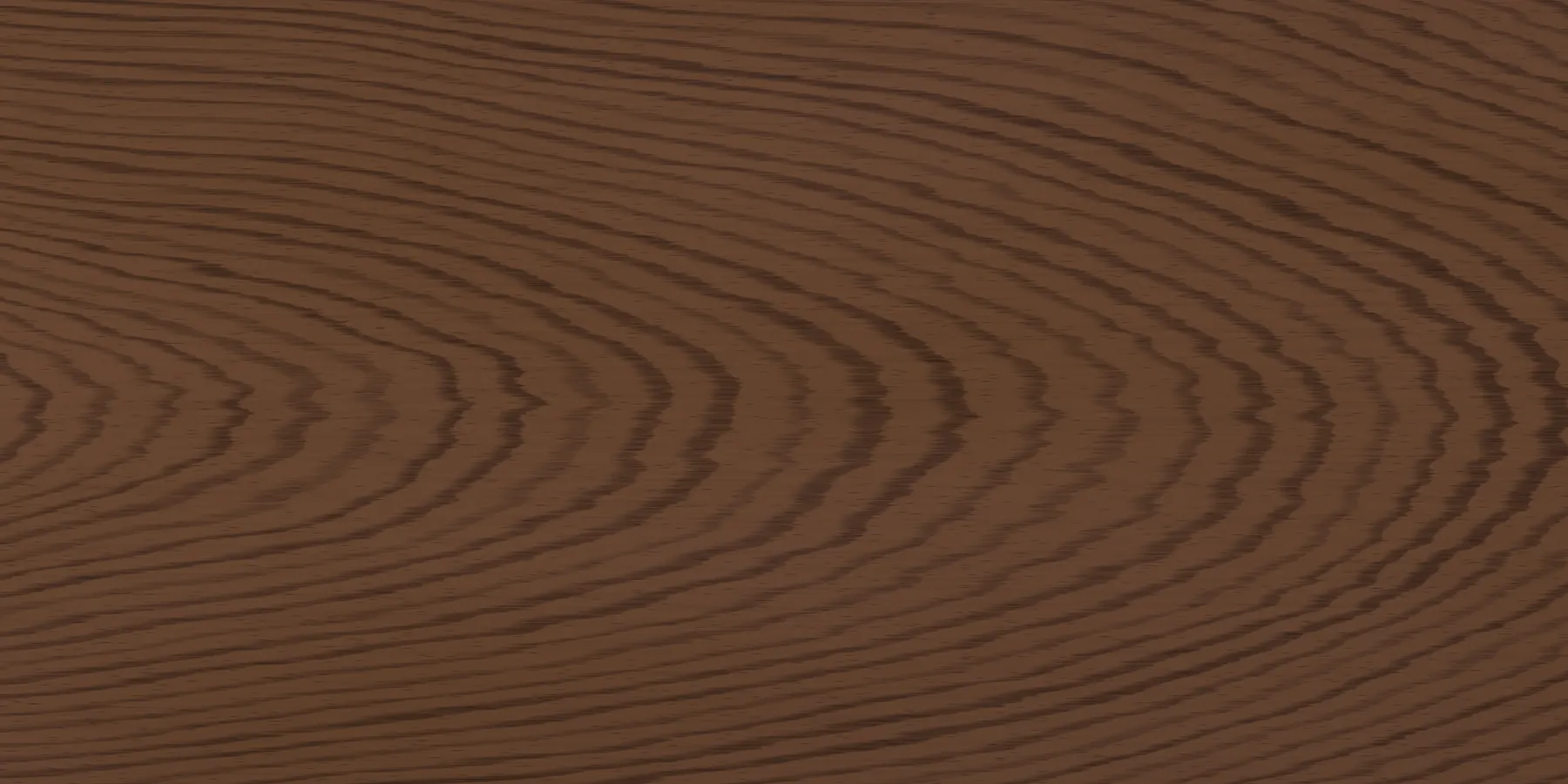
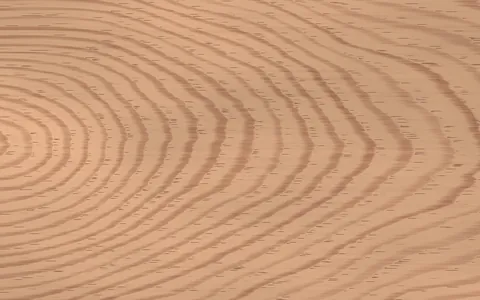
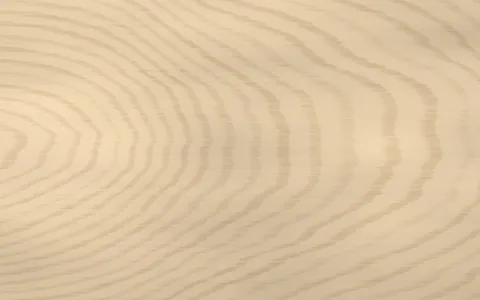
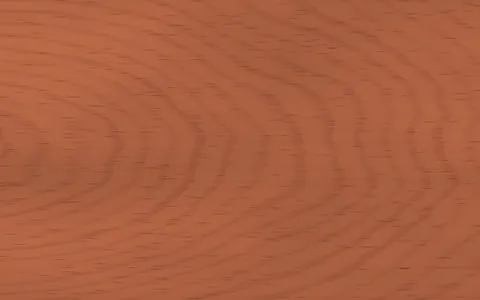
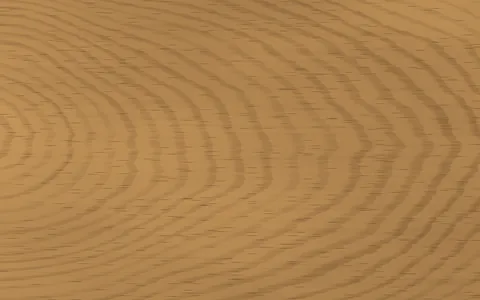
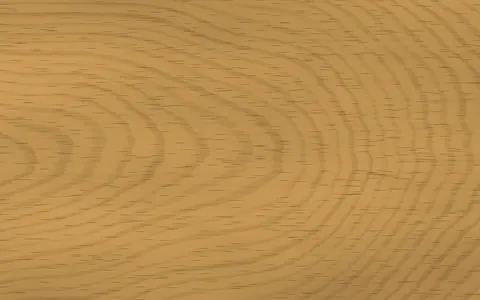
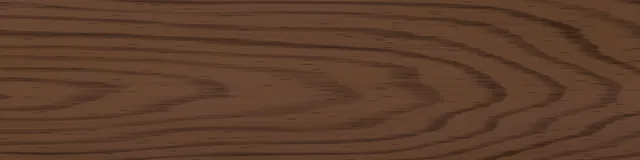
Four boards of black walnut. The same species, four very different pieces of wood.

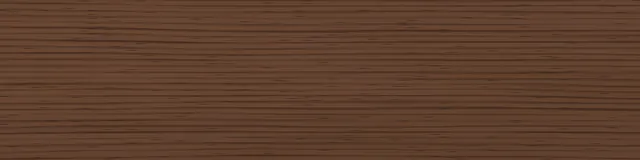
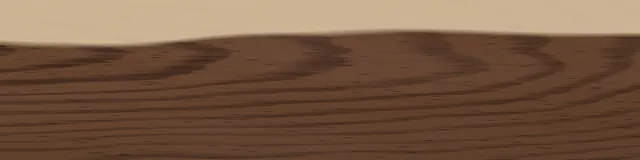
  1. Flatsawn

    Cathedral figure from cutting across the rings.

  2. Quarter / rift

    Straight, even stripes from cutting through the rings.

  3. With sapwood

    A pale band where the board came from near the bark.

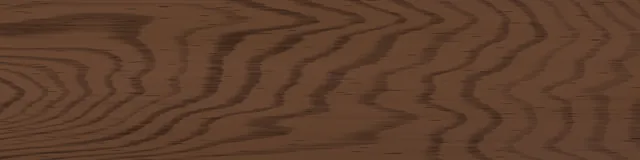
  4. Figured

    Wavy grain from irregular growth — beautiful, but prone to tear-out.

What makes boards differ

  • The individual tree
  • Growth conditions
  • Cut orientation
  • Heartwood vs sapwood
  • Figure
  • Moisture content
  • Defects
  • Milling
  • Age and oxidation

The illustrations are generated boards, not photographs of specific specimens.

Close the Drawer

Know the Species.Then Read the Board.

The reference narrows the choice. The board in front of you — its grain, its cut, its moisture — makes the final decision.